Baby feeding bottles: how to choose sizes, shapes and materials
By FITTO Trade Desk · Last updated 29 October 2026
Choose baby feeding bottles by feed size, grip and material. A 220 ml bottle covers most milk feeds once feeds grow beyond the newborn stage, while a 330 ml bottle suits bigger feeds and older babies. Handles help babies who are starting to hold their own bottle. Check the material, teat flow and cleaning parts on every pack.
Key takeaways
- Size the bottle to the feed, with room to spare: 220 ml covers most feeds, 330 ml suits larger ones.
- Handles help older babies grip, but an adult should always stay with a baby who is feeding.
- The teat flow matters as much as the bottle; check the flow and age printed on the pack.
- Plastic bottles are light and unbreakable; glass stays clear but is heavier. Read the material code.
- Clean and sterilise bottles for at least the first year, and replace scratched bottles and worn teats.
A bottle that is too small means extra prep at 3 am; too big, and small hands cannot hold it. A fast teat leaves a baby coughing. Parents often try several brands before one works.
This guide explains how to choose baby feeding bottles by size, shape, handles, caps and material, with general safety guidance. It is for parents, caregivers and baby shops. At FITTO Food Storage, a wholesale feeding and nursing supplier in the UAE, we stock 220 ml and 330 ml feeding bottles (رضّاعة) with handles and protective caps, plus bottle-cleaning brushes. For medical or feeding concerns, always ask your paediatrician.
What size baby bottle do you need?
Pick a bottle that holds your baby's usual feed with some space left. Most families use smaller bottles first and larger ones as feeds grow.
Newborns take small feeds, so many parents start with bottles of around 120–150 ml. As feeds grow, a 220 ml bottle becomes the everyday size, and a 330 ml bottle suits larger feeds.
| Bottle size | Typical use | Notes |
|---|---|---|
| Small (about 120–150 ml) | Newborn feeds | Easy to hold; frequent refills |
| 220 ml | Everyday milk feeds after the early weeks | Fits most feeds with room to shake |
| 330 ml | Larger feeds, water, outings | Heavier when full; suits older babies |
Feed amounts vary from baby to baby, so follow the formula pack and your paediatrician, not the bottle size. Leave space at the top for shaking.
Do bottles with handles help?
Handles help babies who are learning to hold things, usually once they can sit with support and grasp. They are a grip aid, not a reason to leave a baby to feed alone.
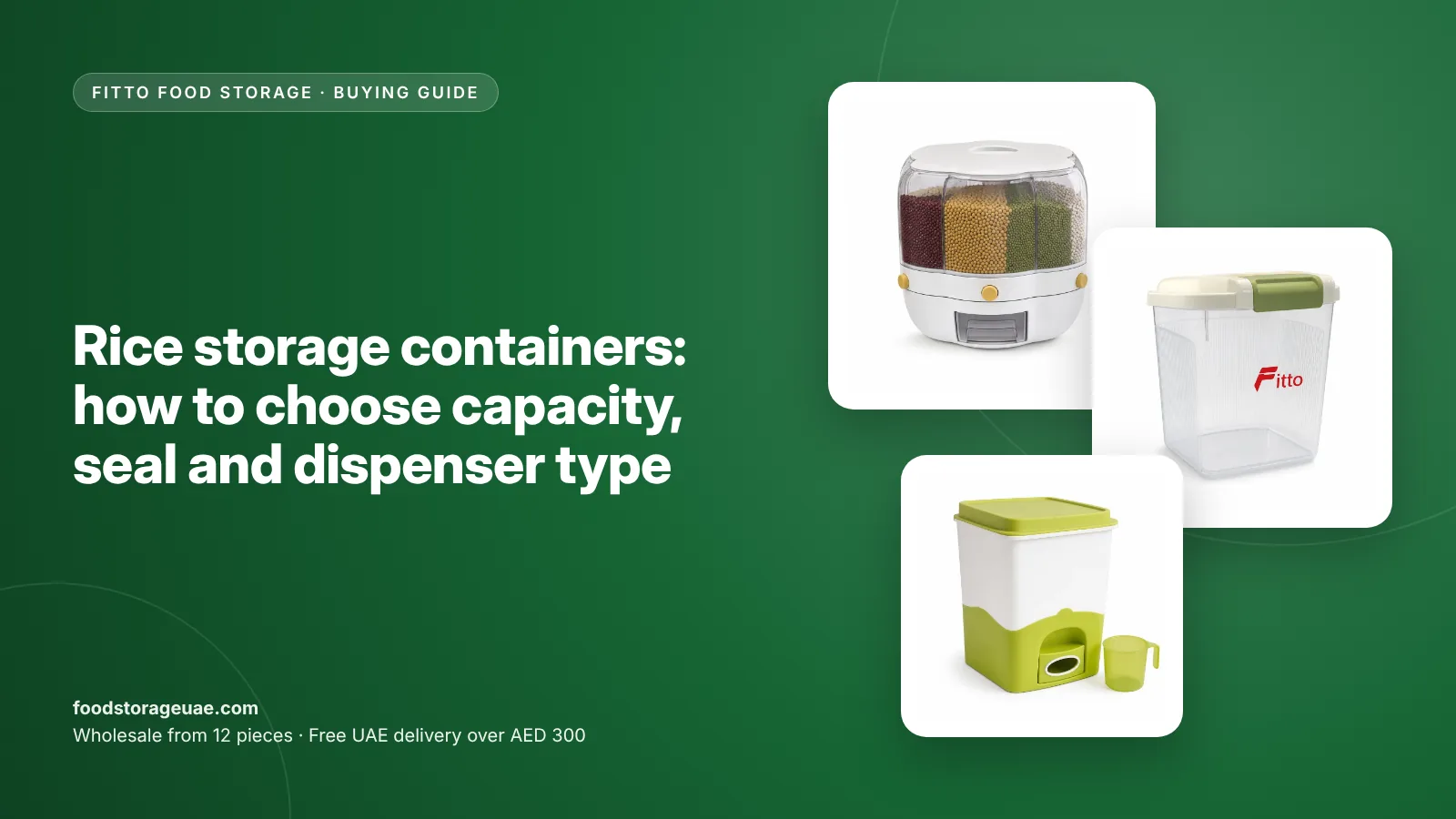
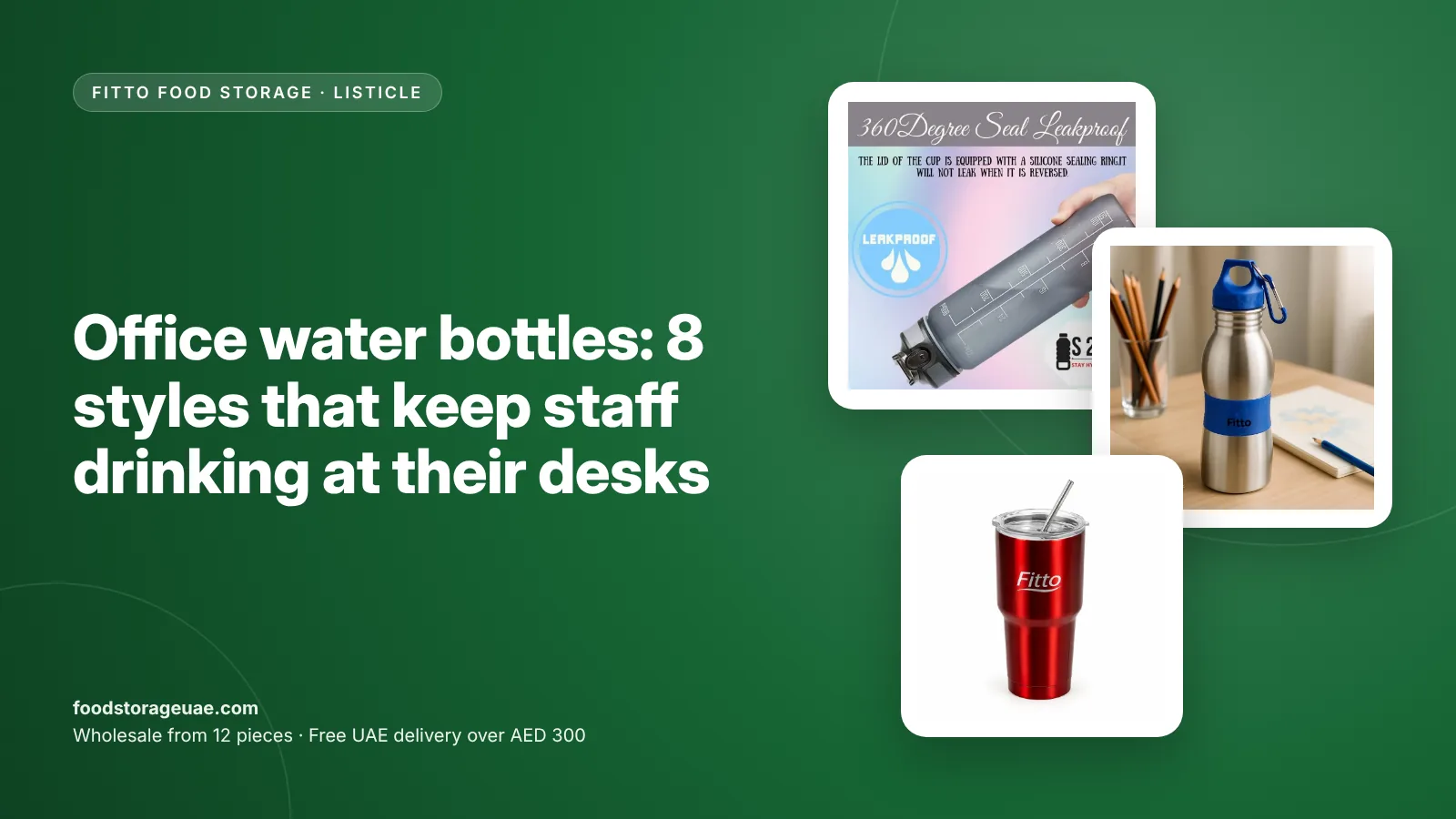
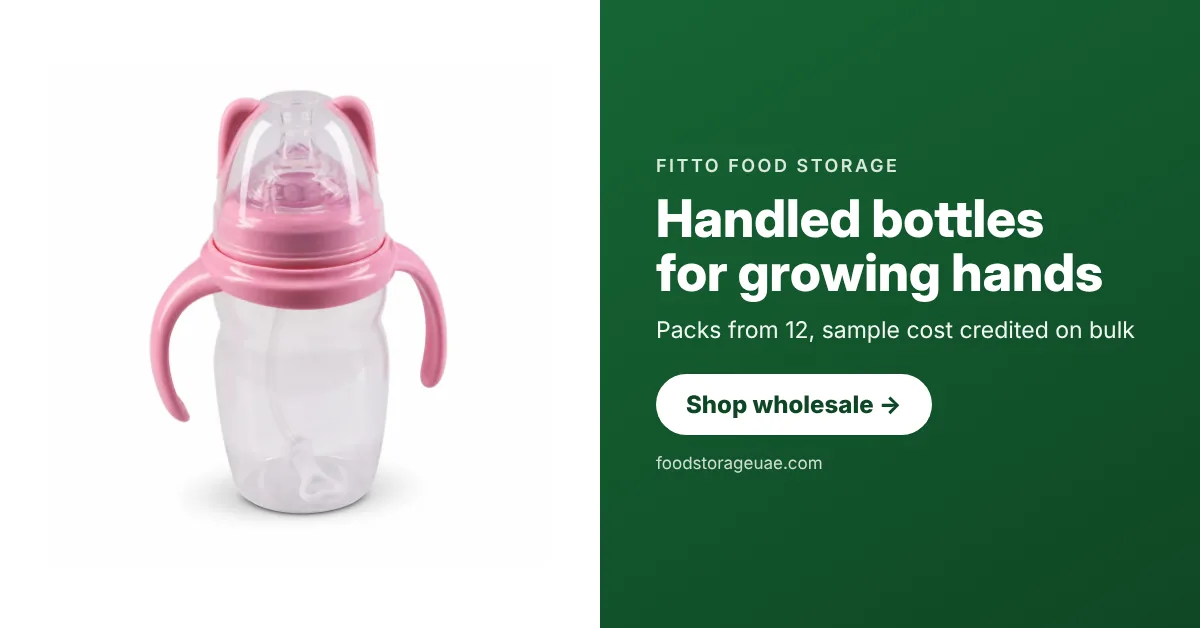
Side handles give small hands two firm holding points. Our 220 ml feeding bottle with handles and protective cap comes in pink or blue, and the 330 ml feeding bottle with handles comes in assorted colours. Both have transparent bodies, so you can see the fill level.
Never prop a bottle on a pillow or leave a baby alone with one, as babies can choke. Hold your baby fairly upright and let them pause during the feed.
Which bottle shape works best?
A simple, straight or gently curved bottle that is easy to hold and clean works for most families. Special shapes help some babies, but none suits every baby.
- Standard neck: narrower and lighter; teats are widely available.
- Wide neck: easier to fill and clean; teats are often brand-specific.
- Anti-colic vents: may help some babies take in less air, but add parts to clean.
- Angled bodies: may keep milk in the teat at more angles; harder to brush inside.
If your baby feeds well, keep the same shape. Ask your paediatrician about persistent wind, reflux or feeding problems.
Which material is best for baby bottles?
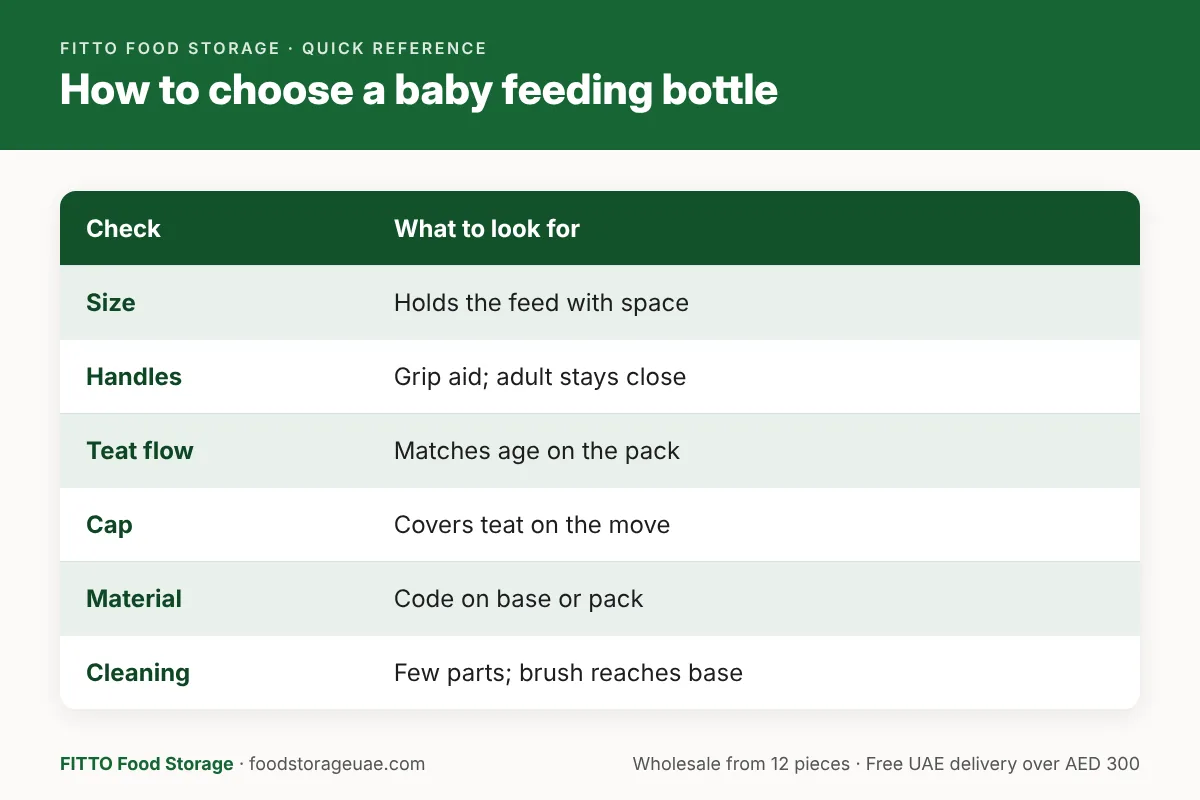
Polypropylene (PP) plastic is the most common choice because it is light and does not shatter. Glass, PPSU and silicone suit parents with specific priorities.
| Material | Weight | Strengths | Trade-offs |
|---|---|---|---|
| Polypropylene (PP) | Light | Unbreakable, affordable | Can scratch and cloud over time |
| Glass | Heavy | Stays clear, does not hold smells | Breaks if dropped; use a sleeve |
| PPSU plastic | Light | Copes with higher heat | Costs more |
| Silicone | Light | Soft and squeezable | Can attract dust and lint |
Read the material code on the bottle base or pack, and look for "BPA-free" where you want it. Our explainer on what BPA-free means covers what that label does and does not tell you.
Why do teats and caps matter?
The teat controls how fast milk flows, and the cap keeps the teat clean between feeds. Get these right and most bottles work well.
Teats come in flow levels, usually slow for newborns and faster later. Gulping, coughing or heavy dribbling can mean the flow is too fast; hard sucking and tiring, too slow. Check the flow and age on the teat pack.
A protective cap keeps the teat clean in a nappy bag and stops drips. Both FITTO bottles have one.
How do you clean and sterilise baby bottles?
Wash every part in hot soapy water after each feed, then sterilise until your baby is at least 12 months old. This follows NHS guidance; ask your paediatrician about any local advice.
- Rinse the bottle and teat in cold water straight after the feed.
- Take the bottle fully apart: body, teat, ring and cap.
- Wash in hot soapy water with a bottle brush; turn the teat inside out to clean it.
- Rinse in clean water.
- Sterilise by boiling, steam or a cold-water sterilising solution, following the sterilising product's instructions.
- Let parts dry on a clean rack and store them assembled.
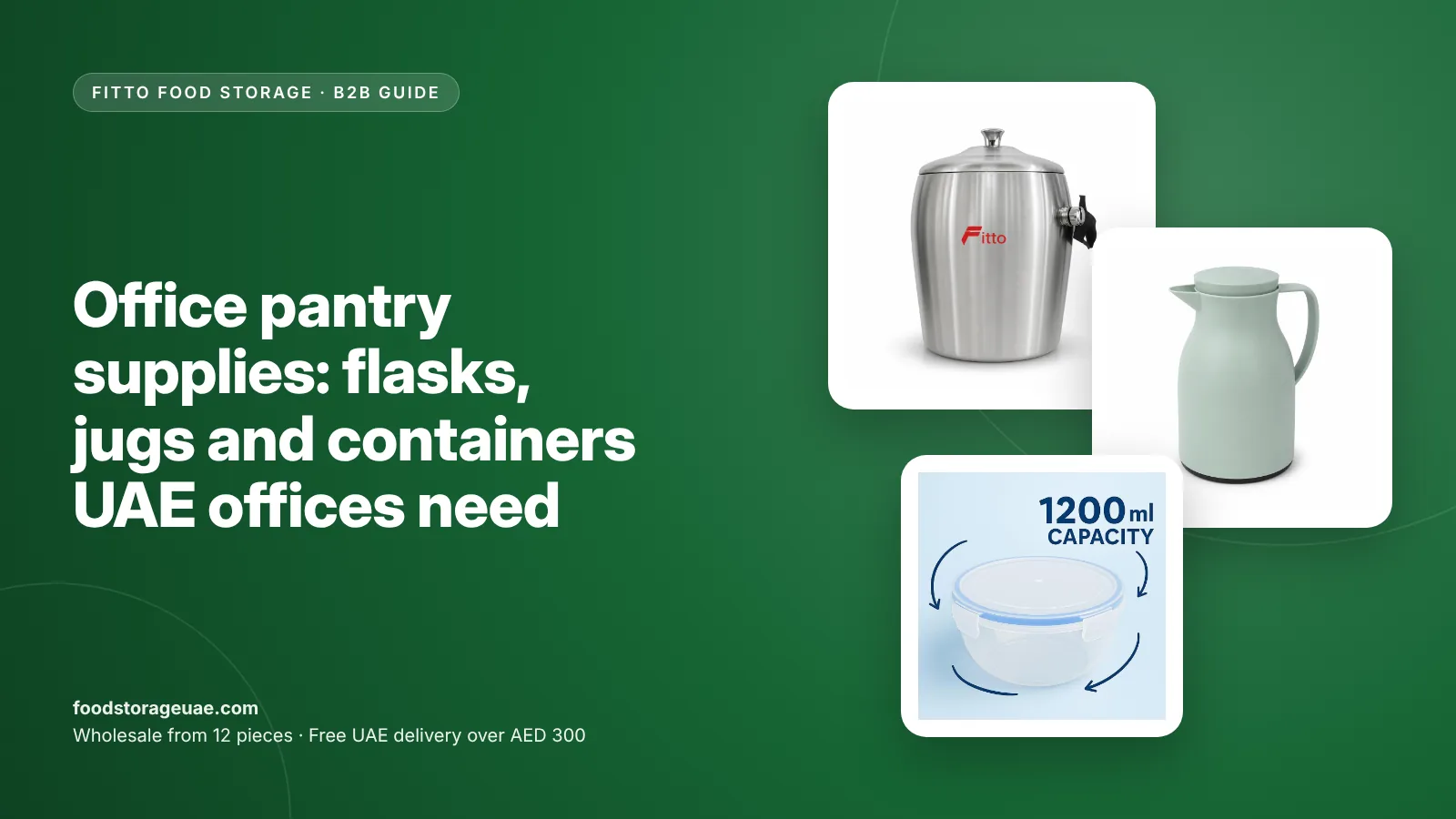
A long-handled brush with a small teat brush reaches the bottom of the bottle and the teat hole. Our bottle-cleaning brush set with detail brush and hook measures 32 x 8 x 6 cm and includes both. Replace bottles that are cracked or deeply scratched, and teats that are torn, sticky or swollen.
What general safety rules apply to bottle feeding?
Prepare feeds carefully, never microwave milk, and do not keep prepared milk warm for later. These rules matter even more in the UAE heat.
- Follow the formula pack exactly. Too much or too little powder can be harmful.
- Do not heat milk in a microwave. It heats unevenly and can scald. Stand the bottle in warm water instead and test a few drops on the inside of your wrist.
- Do not store warm milk in a bag. Bacteria grow quickly in warm milk, especially on hot days.
- On outings, NHS guidance suggests carrying just-boiled water in a clean vacuum flask and powder in a separate container, then making up the feed when needed.
Our feeding and nursing products guide covers bibs and travel kit too.
FITTO Trade Pick: Two bottle sizes, one brush set Stock the 220 ml handled feeding bottle for everyday feeds and the 330 ml handled bottle for larger feeds, with the brush set beside them. Order a sample first; its cost is credited on a bulk order of AED 2,000+ within 30 days.
The bottom line
Choose a bottle that holds the feed with room to spare, a teat flow that suits your baby's age and a material you are happy to clean and sterilise. Handles help babies grip, but an adult should always stay close during feeds.
Browse our wholesale feeding and nursing range in packs from 12 pieces, with free delivery to all seven emirates over AED 300. Request a quote, order a sample or WhatsApp +971 55 672 6947. FITTO Food Storage: fit for the way you store.
FAQ
Is a 220 ml or 330 ml bottle better?+
Neither is better overall. A 220 ml bottle is the everyday size for most milk feeds after the early weeks and is lighter to hold. A 330 ml bottle suits larger feeds, water for older babies and outings. Many parents keep both.
When can my baby hold their own bottle?+
Many babies start holding a bottle with handles once they can sit with support and grasp objects, often around six months, though it varies. Even then, stay with your baby for the whole feed. Never prop the bottle or leave a baby alone while feeding.
How often should I replace baby bottles and teats?+
Check teats before every feed and replace them when torn, sticky, swollen or flowing differently. Replace plastic bottles when they crack, scratch deeply or stay cloudy after cleaning, and follow any guidance on the pack.
When should a baby stop using a bottle?+
The NHS suggests moving from bottles to a cup from around 12 months, because long-term bottle use, especially with sweet drinks, is linked to tooth decay. Offering a cup from six months alongside the bottle makes the switch easier; our spill-proof kids cups checklist helps you choose one.
Can I put baby bottles in the dishwasher?+
If the pack says they are dishwasher-safe, yes, on the top rack. A dishwasher cleans but does not sterilise, so sterilise separately for babies under 12 months, and check the teat hole is clean.