Glass vs plastic food containers: which suits your kitchen or shop?
By FITTO Trade Desk · Last updated 29 October 2026
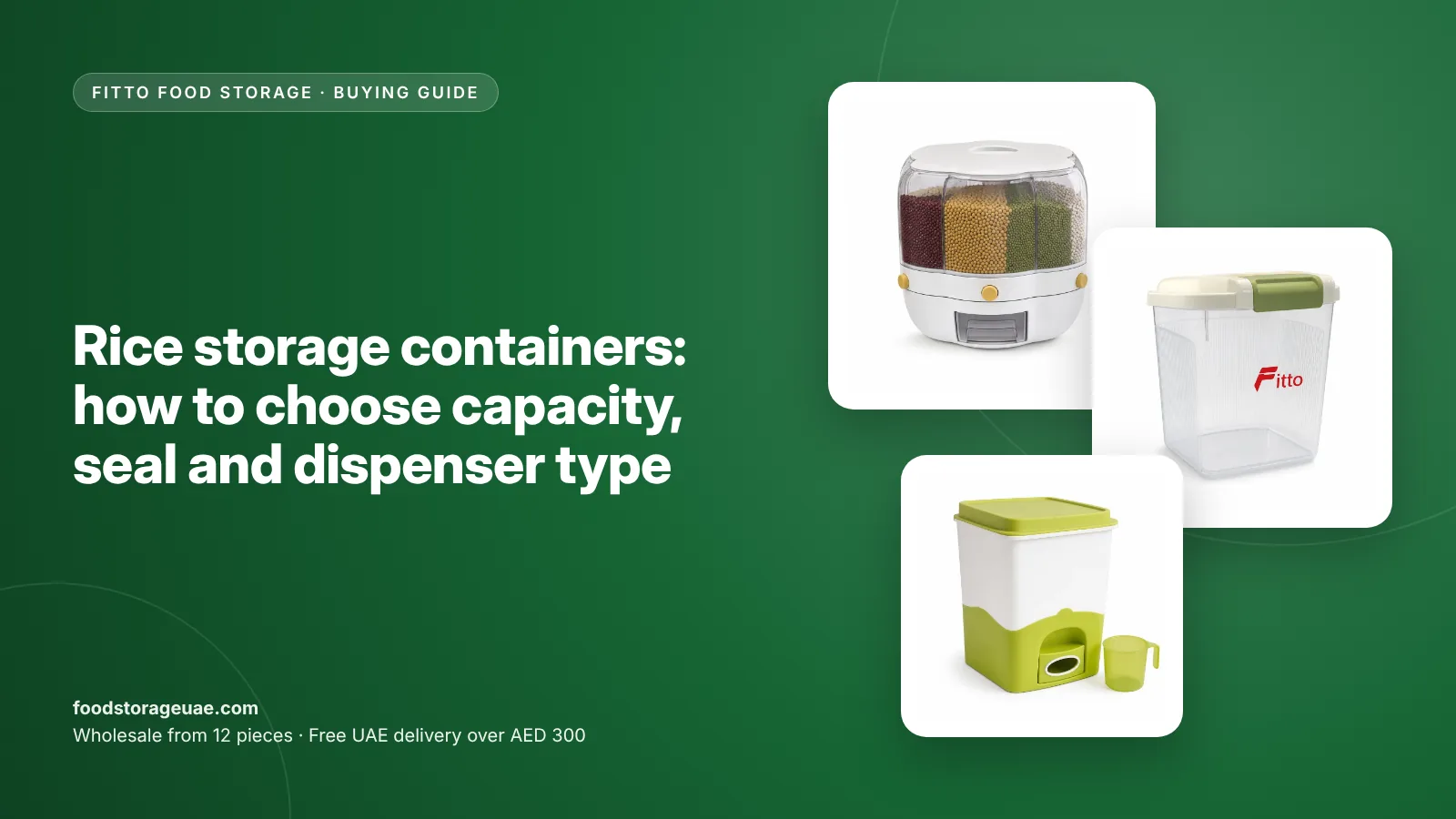
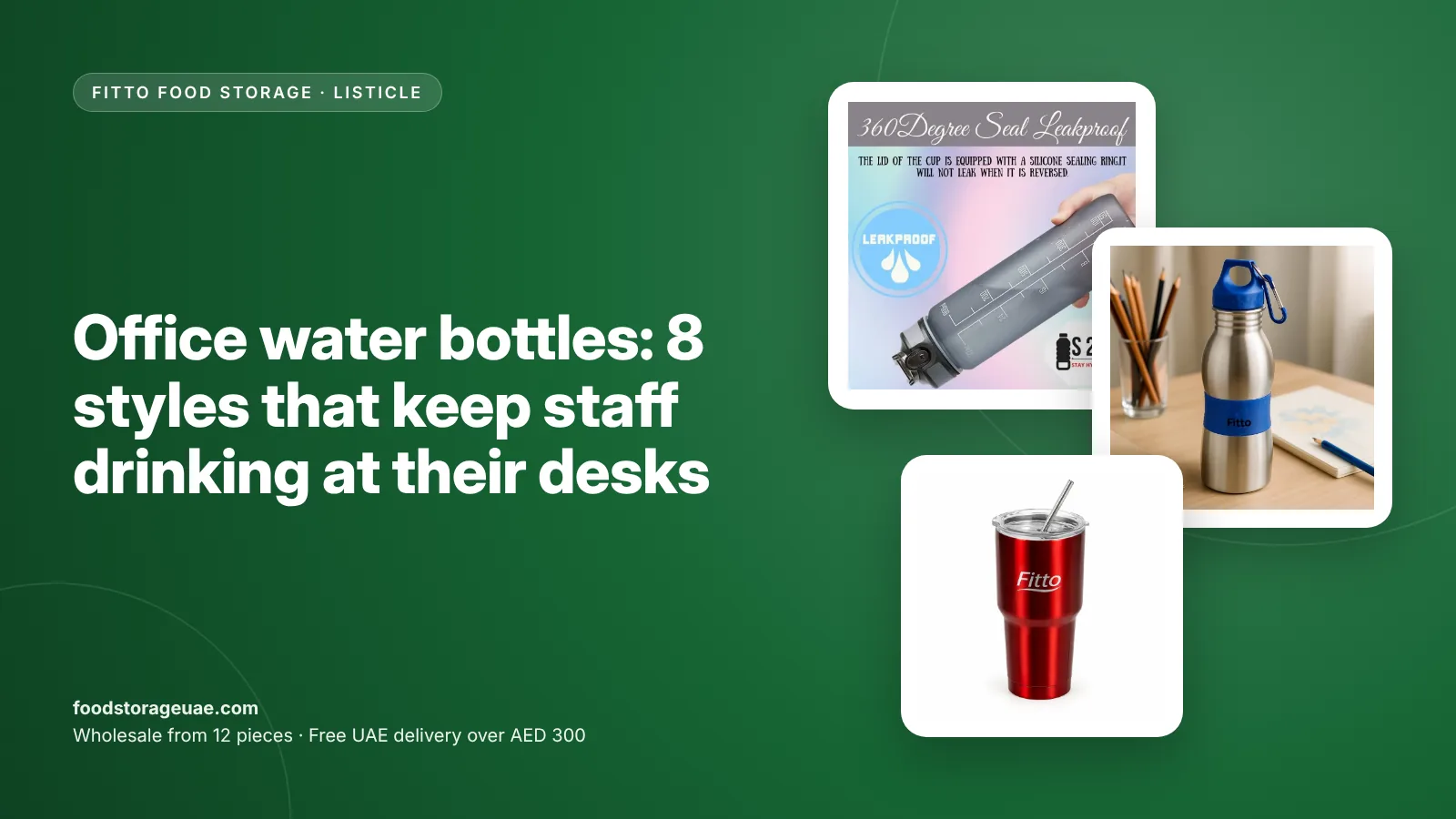
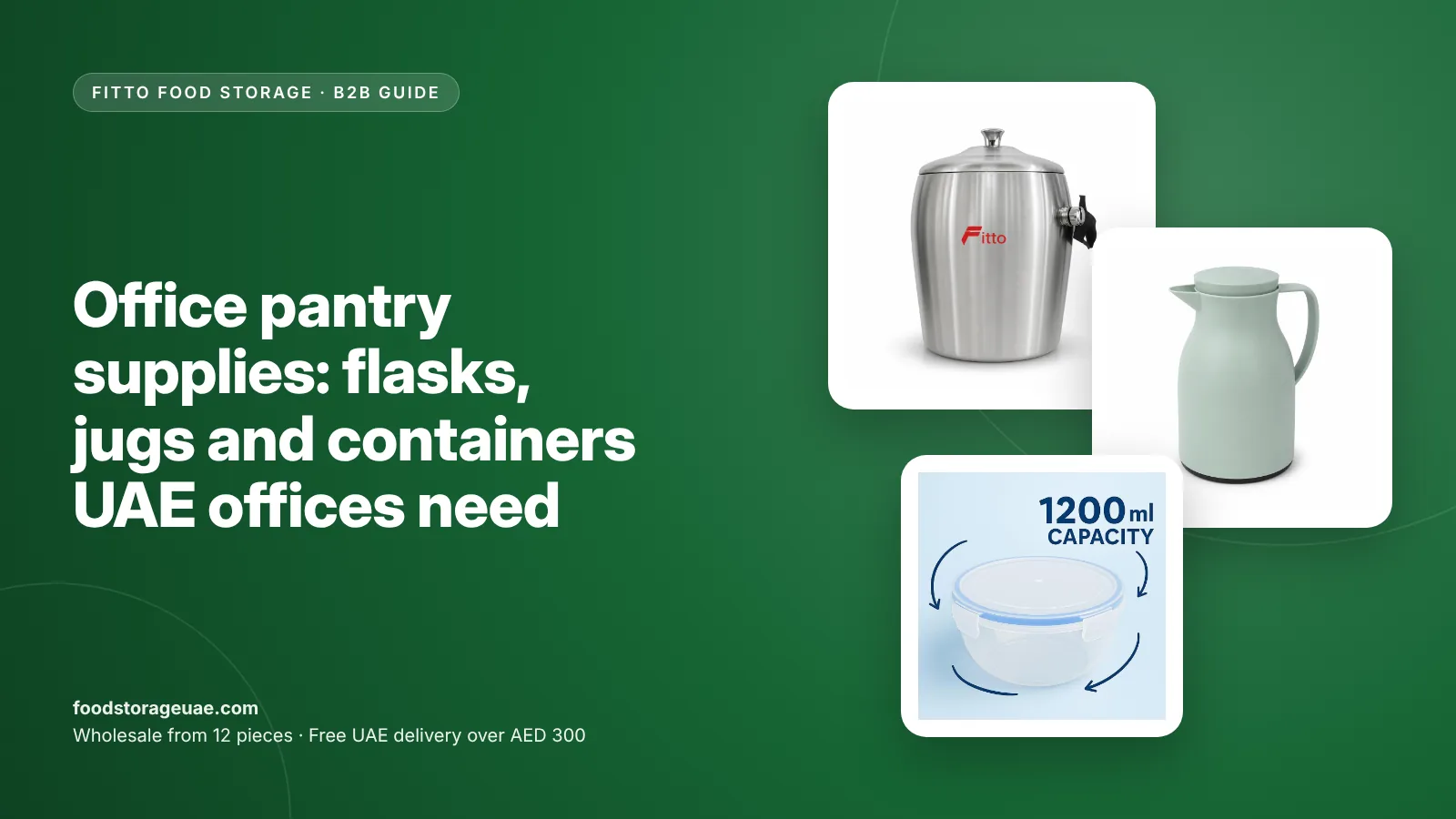
In the glass vs plastic food containers choice, neither wins everywhere. Glass suits reheating, resists stains and looks premium, but it is heavy and can break. Plastic (mainly PP) is light, cheaper per piece and safer to carry, but it can stain and wears faster. Home cooks lean to glass; schools, delivery and busy kitchens lean to plastic.
Key takeaways
- Glass wins for reheating, stain resistance and shelf appeal.
- Plastic wins for weight, breakage, lunch bags, delivery and price per piece.
- Borosilicate glass handles temperature change better than standard glass, but no glass likes sudden shocks.
- Plastic for the microwave should be marked microwave safe; PP is the usual material.
- Most kitchens and shops do best with both: glass for reheating and display, plastic for carrying and volume.
Choose the wrong container material and the cost shows up quickly: cracked glass in a delivery bag, or turmeric-stained plastic customers will not reuse. This comparison sets glass and plastic side by side, then gives a clear verdict for each use, not one winner for all.
It is for home cooks, cafés, meal-prep sellers and retailers choosing a range. At FITTO Food Storage, a wholesale food storage supplier in the UAE, we sell both materials and see where each one earns its place.
How do glass and plastic food containers compare?
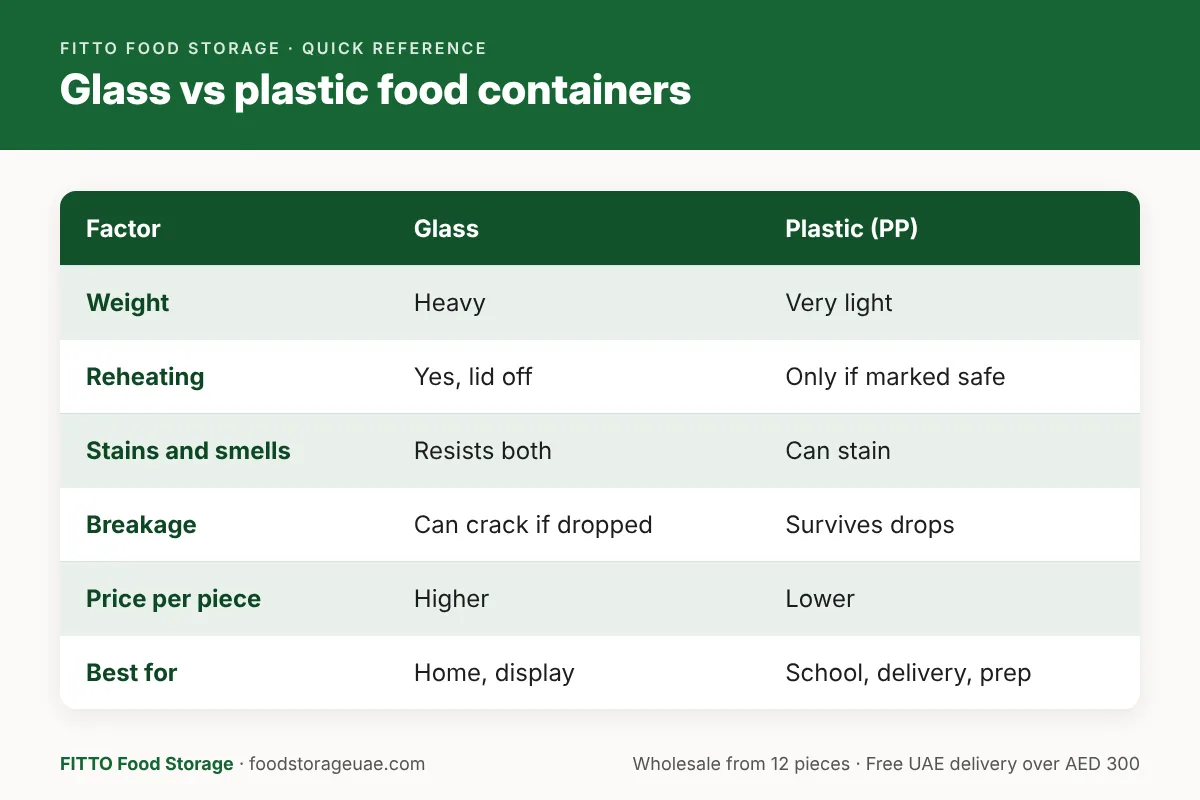
Glass beats plastic on heat, stains and looks; plastic beats glass on weight, breakage and price. The table shows the full picture.
| Factor | Glass (borosilicate or tempered) | Plastic (mainly PP) |
|---|---|---|
| Weight | Heavy; a 1 L box is noticeably heavier | Very light |
| Microwave | Yes for the base; vent or remove the lid | Only when marked microwave safe |
| Oven | Some glass lines yes, never with the plastic lid; check label | No |
| Freezer | Yes; leave space and avoid sudden heat afterwards | Yes when marked; PP can turn brittle in deep cold |
| Staining and smells | Does not stain or hold smells | Can stain with turmeric, tomato and oil |
| Breakage | Can crack or shatter if dropped | Survives drops |
| Price per piece | Higher | Lower |
| Shelf appeal | Premium, clear, giftable | Practical, colourful |
| Lifespan | Long if not dropped; lids wear first | Shorter; replace when scratched or warped |
| Lunch bags and children | Heavy, fragile | Light, safer to carry |
Both materials usually come with a plastic lid. On glass containers, the lid is often the first part to wear, so check how easily the seal lifts out for cleaning.
Is glass or plastic better for reheating food?
Glass is better for reheating because it does not absorb oils or stains and handles microwave heat well. Plastic works for reheating only when it is marked microwave safe.
When reheating in any container:
- Remove or vent the lid so steam can escape.
- Stir halfway to spread the heat.
- Avoid heating very oily food for long periods in plastic.
- Let glass cool slightly before washing it in cold water.
A 1,040 ml borosilicate glass container with PP lid suits office lunches that go straight from fridge to microwave. For plastic, the 1.4 L rectangular food container is listed as airtight, BPA-free, and microwave, freezer and dishwasher safe.
Not every plastic box is made for heat. Light snap-lid sets in PP/PET, for example, are designed for the fridge, pantry and lunch bag, and the maker advises hand washing. This is general guidance, so always follow the label on each product.
Which is safer, glass or plastic food containers?
Both are suitable for food storage when they are made for food contact and used as labelled. The safety difference is practical: glass can break, and plastic should not be overheated.
Glass is inert, so it does not pass flavours or stains between meals. Plastic containers sold for food should be food-grade, and many lines are listed as BPA-free. If you supply schools or nurseries, ask for the food-contact documents your tender requires before you commit.
For children and lunch bags, plastic removes the risk of broken glass. For home kitchens with adults, glass is a calm, long-lasting choice.
Which lasts longer, glass or plastic?
Glass lasts longer if it is not dropped, because it does not scratch, stain or warp in normal use. Plastic wears out sooner, especially with dishwashers, strong spices and frequent microwaving.
Signs a container needs replacing:
- Plastic: deep scratches, cloudiness, warping, or a lid that no longer clicks.
- Glass: chips on the rim, cracks, or a lid seal that no longer grips.
Exact lifespan depends on use, so we do not quote a number. Handled with care, glass usually outlasts plastic.
Which should you choose for each use?
Pick the material by the job, not by habit. Here is our verdict per use case.
| Use | Verdict | Why |
|---|---|---|
| Home cook reheating leftovers | Glass | No stains, reheats well, looks good in the fridge |
| Children's school lunch | Plastic | Light, will not break in a bag |
| Office lunch reheated at work | Glass or PP | Glass if carried carefully; PP if weight matters |
| Café prep and storage | Plastic | Light, stackable, low cost for many boxes |
| Café grab-and-go display | Glass | Premium look justifies the price |
| Meal-prep delivery business | Plastic | Weight, breakage and cost in delivery |
| Freezer batch cooking | Both | Leave space; thaw glass gradually |
| Pantry dry goods | Plastic or glass jars | Plastic for bulk and price, glass for display |
For a deeper look at materials, seals and sizes, read our food storage containers trade guide. If the seal is your main concern, see our guide to airtight food containers.
What should a shop stock: glass, plastic or both?
Most shops should stock both: plastic for volume and price-led buyers, glass for premium and reheating buyers. A simple split works well on a first order.
- Plastic core: snap-lid and clip-lock boxes in three sizes, plus nesting sets.
- Glass premium: glass boxes with PP lids from 370 ml to 1,520 ml, plus a three-piece set.
- Place glass at eye level and plastic at hand height, where shoppers grab quickly.
- Test both for a few weeks, then put more shelf space behind the material that sells in your area.
Label each glass line with its microwave and oven guidance on the shelf strip. Customers buy glass for reheating, and a clear label stops the questions at the till. For a full shelf plan, see how to stock a food storage aisle.
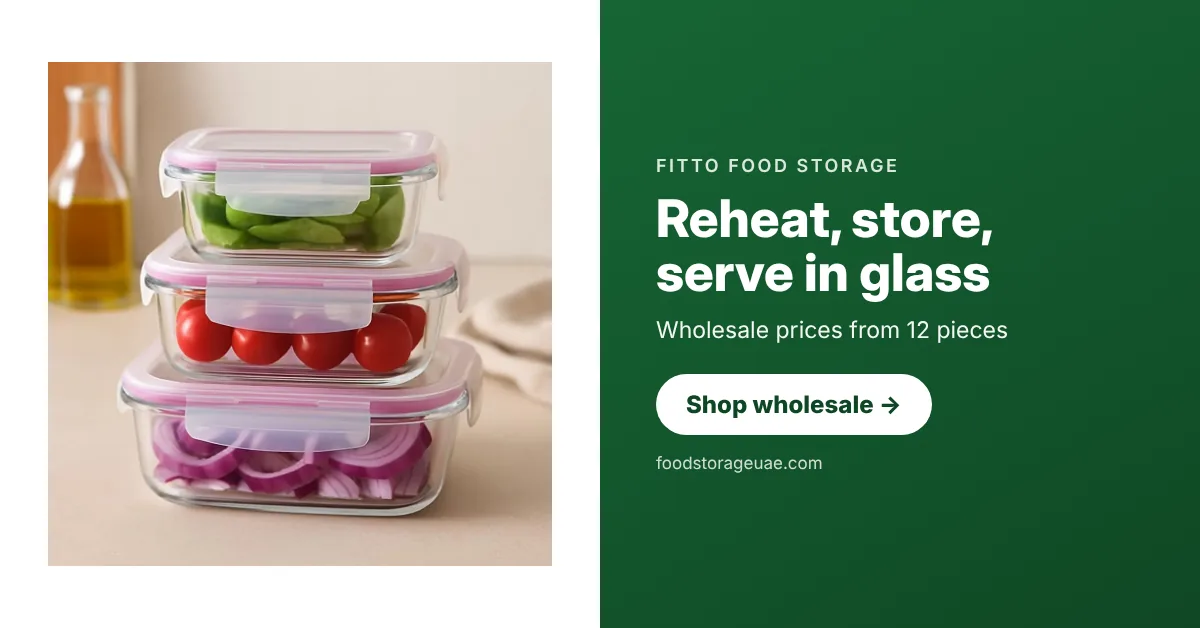
FITTO Trade Pick: Glass and plastic, side by side Pair the 3-piece microwave glass storage set (400, 640 and 1,040 ml) with the snap-and-seal 4-piece rectangular set. Wholesale prices start from 12 pieces, a set counts as one piece, and delivery is free across the UAE over AED 300.
The bottom line
Glass wins on reheating, stains and looks; plastic wins on weight, safety in bags and price. Use glass for home kitchens and display, and plastic for schools, delivery and busy prep. For a shop, stocking both covers every buyer.
Browse our wholesale food containers and jars or request a quote for a mixed carton. Order a sample at the single-piece price, and its cost is credited on a bulk order of AED 2,000+ within 30 days, or WhatsApp us on +971 55 672 6947. FITTO Food Storage: fit for the way you store.
FAQ
Is glass healthier than plastic for storing food?+
Glass is inert, so it does not absorb flavours, stains or oils. Food-grade plastic, especially lines marked microwave safe and BPA-free, is also made for food contact. Both are suitable when used as labelled. The practical differences are breakage for glass, and wear from heat and spices for plastic.
Can glass food containers go in the freezer?+
Yes, most glass food containers can go in the freezer if you leave space for food to expand. Avoid moving them straight from the freezer to a hot oven or very hot water. Borosilicate glass handles temperature change better than standard glass, but gradual changes are always safer.
Why do plastic containers stain?+
The colour in turmeric and tomato dissolves in fat, and plastics such as PP readily take up oils, so the pigment moves into the surface, especially when food is hot. Cooling food before storing it, washing soon after use and keeping curries in glass all reduce staining.
Which is cheaper, glass or plastic containers?+
Plastic containers cost less per piece than glass, which is why they suit schools, cafés and delivery businesses that need many boxes. Glass costs more at the start but often lasts longer if it is not dropped, so the cost per year of use can be closer than the shelf price suggests.
Can glass containers with plastic lids go in the oven?+
Only the glass base, and only when the product says it is oven safe. Plastic lids melt or warp in oven heat, so take them off first and cover the dish with foil if needed. Let glass from the fridge reach room temperature before it goes into a hot oven, and avoid placing hot glass on a wet or cold surface.