Stainless steel vs plastic water bottles: cost, safety and heat
By FITTO Trade Desk · Last updated 29 October 2026
In the stainless steel vs plastic water bottles choice, vacuum-insulated steel wins on cold retention, durability and taste in UAE heat, while BPA-free plastic wins on weight, unit cost and colour choice. Choose steel for commuters, outdoor workers and gifts. Choose plastic for gyms, kids' sports, events and price-led shelves.
Key takeaways
- Only double-wall vacuum steel keeps water cold for hours; single-wall steel and plastic warm with the air.
- If a steel bottle listing does not say vacuum or double-wall, treat it as non-insulated.
- BPA-free plastic (PP or Tritan) is lighter and cheaper per piece, so it suits volume and kids.
- Keep both materials out of parked cars in summer; heat ages plastic bodies and lid seals.
- Most shops sell best with both: steel for gifting and commuters, plastic for impulse buys.
Pick the wrong bottle material and you pay twice. Staff leave warm plastic bottles in the car, gym members return dented steel ones, and shelves fill with stock that does not suit the buyer walking past. This comparison settles which material earns its place, and when the cheaper plastic bottle is good enough.
It is for shoppers, schools, gyms and retailers. At FITTO Food Storage, a wholesale food storage supplier in the UAE, we stock both steel and plastic water bottles (قارورة ماء), from 400 ml kids' sizes to 1.5 L sports bottles.
How do stainless steel and plastic water bottles compare?
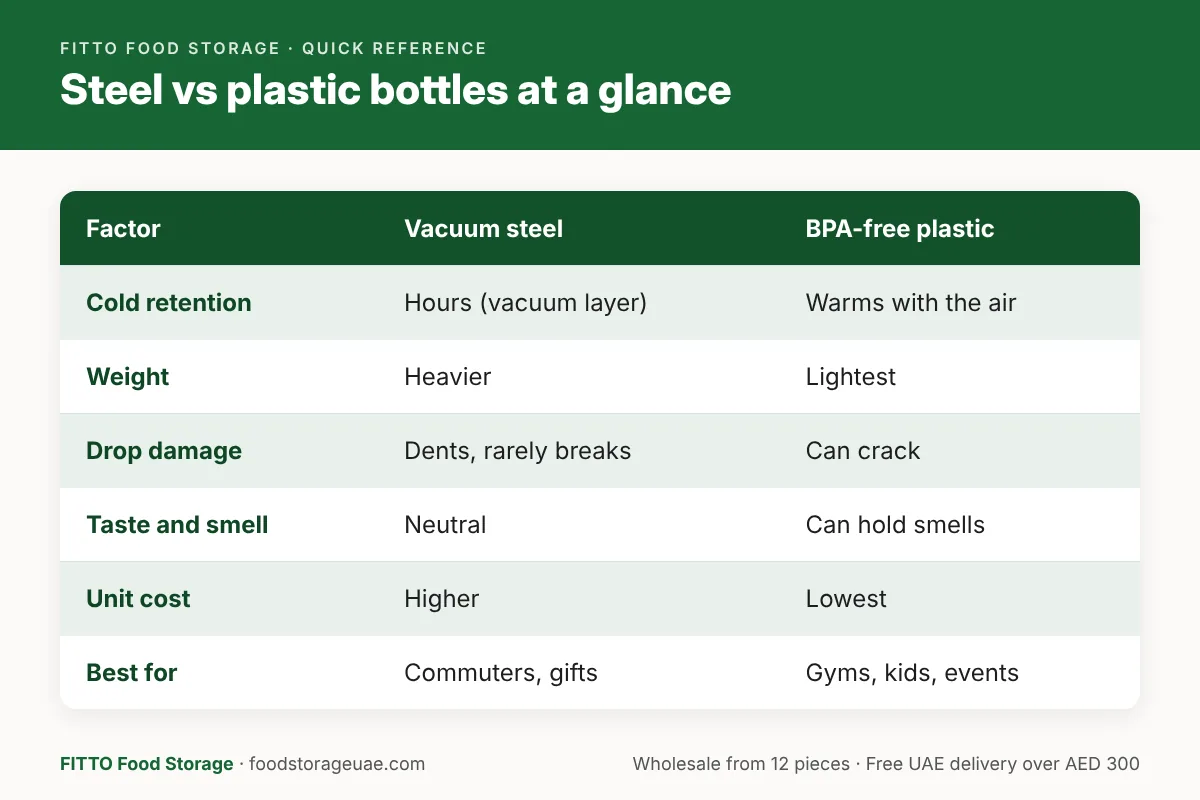
Steel bottles are heavier, cost more and last longer; plastic bottles are lighter, cheaper and come in more colours. The table puts the trade-offs side by side.
| Factor | Vacuum-insulated steel | Single-wall steel | BPA-free plastic (PP or Tritan) |
|---|---|---|---|
| Cold retention | Hours, thanks to the vacuum layer | Little; warms with the air | Little; warms with the air |
| Outside in humid air | Stays dry | Sweats with cold water | Sweats a little |
| Weight (same size, empty) | Heaviest | Medium | Lightest |
| Drop damage | Dents, rarely breaks | Dents | Can crack; Tritan is tougher than PP |
| Taste and smell | Neutral | Neutral | Can hold smells over time |
| Unit cost | Highest | Medium | Lowest |
| Best for | Commuters, outdoor work, gifts | Desk use, school | Gyms, kids' sports, events |
Read the table by buyer, not by row. No material wins every line.
Which water bottle keeps water cold longer in UAE heat?
A double-wall, vacuum-insulated stainless steel bottle keeps water cold far longer than any plastic bottle. The vacuum between the two walls stops heat moving in from the hot air outside.
A plastic bottle, or a single-wall steel one, warms towards the air temperature. On a July afternoon in Dubai or Al Ain, that means warm water within an hour or so outdoors.
Retention claims vary by brand, and results depend on how cold the water starts, how full the bottle is and how often you open it. For an honest check, fill two bottles with iced water at 8 am and taste them at lunchtime.
Three habits help either material:
- Chill the bottle with iced water for five minutes, then empty and refill it.
- Fill it to the top; less air inside means slower warming.
- Keep it out of direct sun and off the car dashboard.
Are plastic water bottles safe to use?
Bottles made from food-grade, BPA-free plastic are designed for drinking water and are widely used. The common materials are polypropylene (PP, resin code 5) and Tritan, a BPA-free copolyester known for glass-like clarity.
As general guidance, use plastic bottles for cold or room-temperature drinks, not boiling liquids. Replace any bottle that is cracked, cloudy or still smells after washing.
Heat matters in the UAE. A parked car in summer gets far hotter inside than the air outside, so do not leave plastic bottles, or the plastic lids of steel bottles, in a closed car.
Stainless steel bottles have no plastic touching the water apart from the lid and seal. For buyers who want that, steel is the simple answer. Look for 18/8 (also sold as 304) food-grade stainless steel on the label.
Which material is cheaper per year of use?
Plastic is cheaper to buy; stainless steel often works out cheaper per year of use. A well-kept steel bottle can last several years, while plastic bottles tend to scratch, stain or crack sooner.
For a business, the answer depends on the job:
- Events and giveaways: plastic wins. The bottle may be used for weeks, not years.
- Staff and corporate gifts: steel wins. People keep it, so your logo stays on desks. Our corporate gift bottles checklist covers bulk gift orders.
- Gym and team kits: plastic usually wins. Bottles get dropped, lost and replaced.
- School bottles: light plastic suits young children; older students often prefer steel.
Which is easier to clean and keep fresh?
Stainless steel is easier to keep fresh; clear plastic is easier to inspect. Steel does not hold smells from juice or protein shakes the way plastic can.
Clear plastic lets you spot residue at a glance, which helps with kids' bottles. Steel needs a bottle brush and a torch now and then.
- Rinse the bottle daily with warm soapy water.
- Scrub the lid seal and spout with a small brush once a week.
- Dry the bottle upside down with the lid off.
Check the care label before using a dishwasher. Many vacuum-insulated bottles are hand-wash only, because high heat can damage the vacuum seal and painted finish.
Which bottles should a shop or gym stock?
Most shops do best with one or two steel lines and two or three plastic lines. Steel covers gifting and serious buyers; plastic covers impulse buys, kids and gym members.
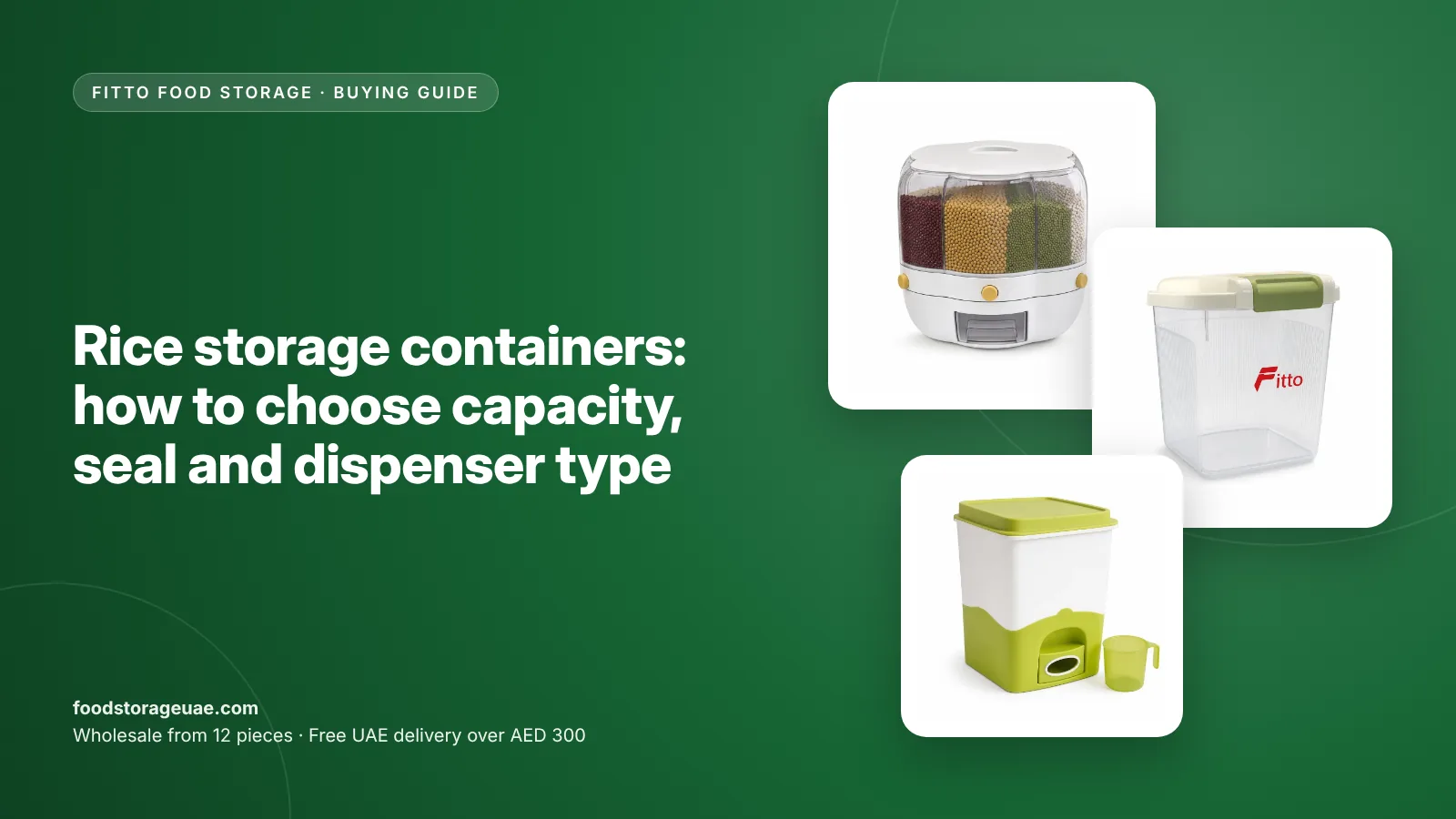
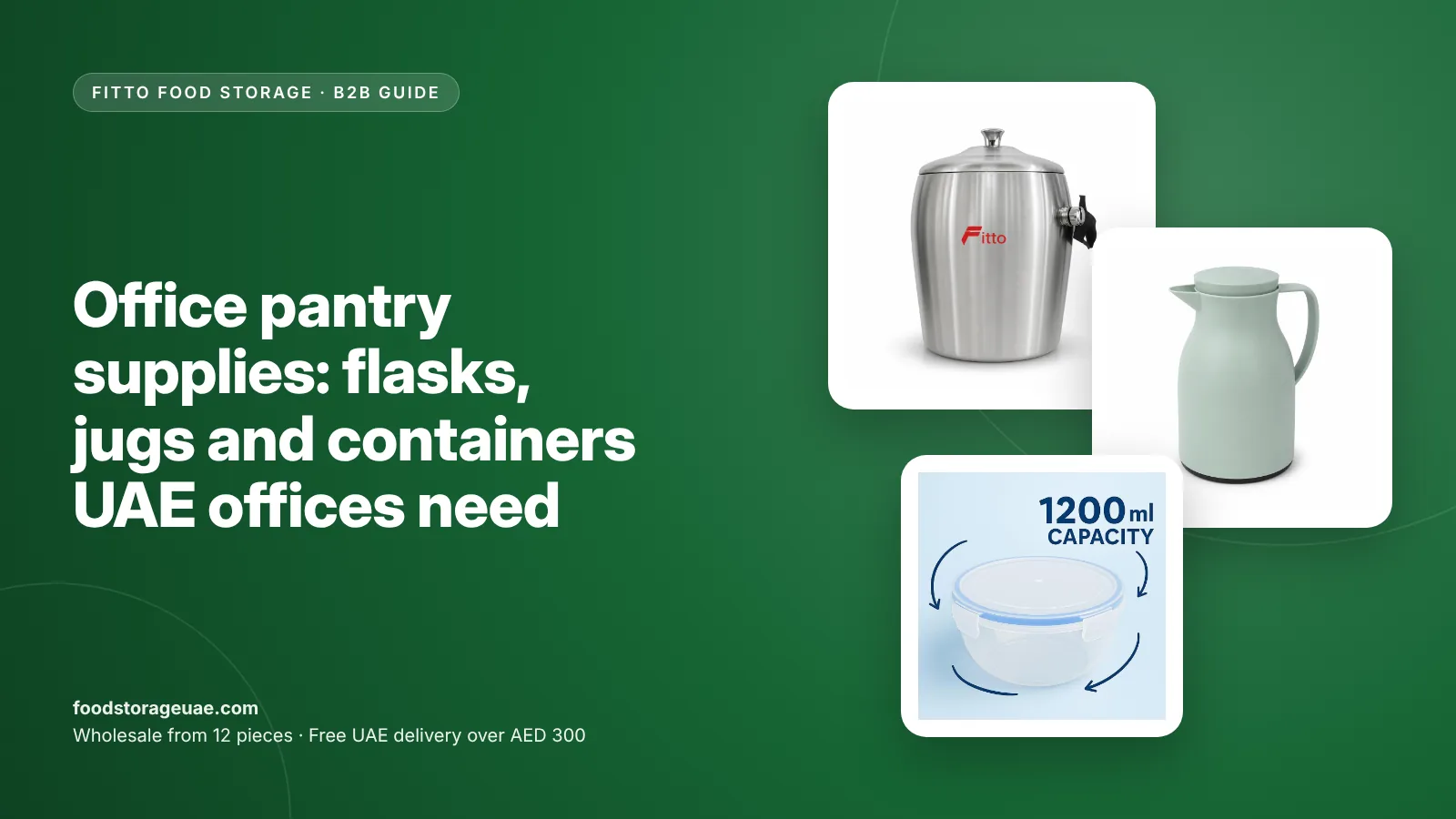
- Steel: a 500 ml and a 750 ml vacuum bottle in neutral colours, plus a 1 L vacuum flask water bottle for outdoor workers.
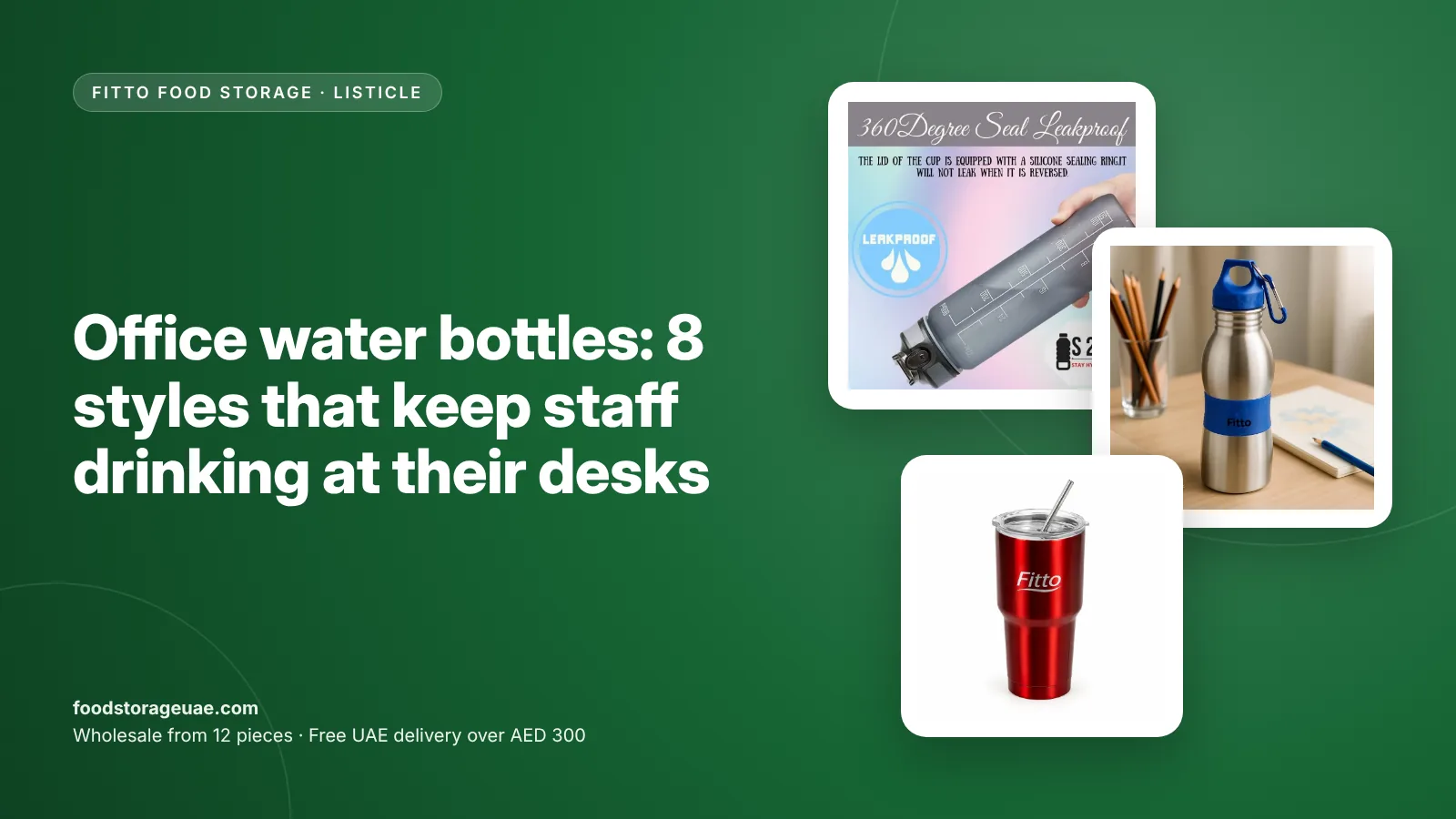
- Plastic: a 750 ml flip-top sports bottle, a 1 L Tritan bottle with time markers, and a 400–600 ml kids' size.
- Colour mix: assorted colours help shelf appeal and let buyers choose.
Gyms usually sell more plastic sports bottles and shakers at the front desk; corporate buyers mostly ask for steel. Our sports water bottle styles guide covers lids and shapes for active buyers.
FITTO Trade Pick: Stock both sides of the shelf The 750 ml stainless steel vacuum bottle with screw cap covers commuters and gifting, while the BPA-free 750 ml plastic sport bottle in assorted colours keeps the price point low. Order a sample of each; we credit the cost on a bulk order of AED 2,000+ within 30 days.
The bottom line
Choose vacuum-insulated stainless steel when cold water, long life and gifting matter. Choose BPA-free plastic when weight, price and colour matter more. For most shops, the right answer is both, in a planned mix.
Browse our wholesale water bottles in packs of 12 to 144 pieces, with free delivery to all seven emirates over AED 300. For the full category, read our water bottles wholesale guide. Request a quote, order a sample or WhatsApp +971 55 672 6947. FITTO Food Storage: fit for the way you store.
FAQ
Is stainless steel or plastic better for a water bottle in Dubai?+
For keeping water cold in Dubai heat, a double-wall, vacuum-insulated stainless steel bottle is the better choice. Plastic and single-wall steel bottles warm towards the air temperature quickly. Plastic still makes sense when weight and price matter most, such as for gym bags, kids' sports or events.
Do stainless steel bottles change the taste of water?+
Good stainless steel bottles taste neutral and do not hold smells, which is one reason people switch from plastic. A slight metallic note in a new bottle usually goes after washing with warm soapy water and rinsing well. Keep the lid seal clean, as that is where most smells start.
Why does my steel water bottle sweat on the outside?+
A single-wall bottle filled with cold water chills its outer surface, and humid UAE air condenses on it, leaving a wet ring on desks and in bags. A double-wall vacuum bottle keeps the outer wall at room temperature, so it stays dry. If sweating bothers you, choose a bottle labelled vacuum or double-wall.
Can I put hot drinks in a plastic water bottle?+
As general guidance, no. Most plastic water bottles are designed for cold or room-temperature drinks, and hot liquids can warp the body and lid. For tea, coffee or warm water, use a vacuum-insulated steel bottle or one of the flasks in our flasks and thermos range.
How long does a plastic water bottle last?+
A reusable BPA-free plastic bottle can last a long time with care, but replace it if it cracks, turns cloudy or holds a smell after washing. Heat, harsh scrubbing and hot dishwasher cycles age plastic faster. In a UAE summer, keeping the bottle out of hot cars helps it last longer.